
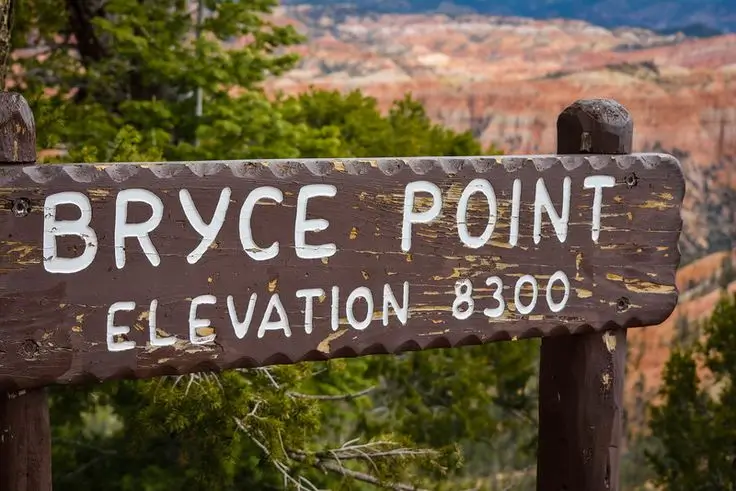
Bryce Point is one of the most spectacular viewpoints in Bryce Canyon National Park, Utah. Located on the southern side of the Bryce Amphitheater, the viewpoint offers a wide, elevated view of the park’s famous hoodoos and colorful rock formations. The National Park Service describes Bryce Point as one of the park’s most iconic viewpoints.
If you’re planning a trip to Bryce Canyon, Bryce Point is an excellent place to begin your visit. You can enjoy the panoramic scenery from the overlook or use it as a starting point for several hiking routes.
Read More: usatrailexplorer
Where Is Bryce Point?
Bryce Point is located inside Bryce Canyon National Park in southern Utah. From the park’s main road, visitors turn toward the Bryce Point spur road, which leads to the viewpoint and parking area.
The Bryce Point parking area is located at approximately 37.6040, -112.1567.
Bryce Point is part of the Bryce Amphitheater area, along with Sunrise Point, Sunset Point, and Inspiration Point. These four viewpoints are located within the first few miles of the park road and provide different perspectives of the hoodoos.
What Makes Bryce Point Special?
The main attraction at Bryce Point is the enormous collection of hoodoos below the overlook.
Hoodoos are tall, irregular rock spires created by erosion. Bryce Canyon contains the largest concentration of these formations on Earth, making the views from Bryce Point particularly impressive.
From the overlook, visitors can look across the Bryce Amphitheater and see layers of red, orange, pink, and white rock formations surrounded by forest.
The elevated perspective makes it possible to appreciate the scale and depth of the amphitheater before descending onto the trails below.
Things to Do at Bryce Point
1. Enjoy the Bryce Amphitheater View
The main reason most people visit Bryce Point is the view.
Walk toward the overlook and look across the amphitheater to see thousands of hoodoos extending through the landscape. The viewpoint provides a soaring perspective over the formations below.
Bring a camera because the combination of hoodoos, cliffs, forest, and changing light creates excellent photography opportunities.
2. Watch the Sunrise
Bryce Canyon is well known for its sunrise scenery.
Early morning light can illuminate the hoodoos and create changing shades across the amphitheater. The National Park Service identifies the Bryce Amphitheater viewpoints as popular sunrise destinations.
If you want to photograph Bryce Point at sunrise, arrive early enough to find parking and walk to the overlook before the sun comes up.
3. Hike the Rim Trail
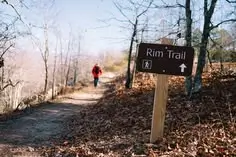
The Bryce Canyon Rim Trail provides an opportunity to explore the edge of the amphitheater on foot.
The full Rim Trail between Fairyland Point and Bryce Point is about 5.5 miles one way, although visitors can choose shorter sections between the major viewpoints.
From Bryce Point, the trail connects with other viewpoints and provides changing perspectives of the Bryce Amphitheater.
4. Hike the Peekaboo Loop
For a more challenging adventure, Bryce Point provides access to the Peekaboo Loop Trail.
The loop is approximately 5.5 miles and descends below the rim into the hoodoo formations. The National Park Service lists it as a strenuous hike with significant elevation change.
This hike gives you a completely different experience from simply viewing the canyon from above.
5. Explore the Hat Shop Trail
The Hat Shop Trail also begins at Bryce Point.
The trail descends below the rim and leads toward unusual balanced-rock hoodoos. The National Park Service lists the trail at about 4 miles with a substantial elevation change, making it more suitable for hikers prepared for a strenuous outing.
6. Take Photos
Bryce Point is one of the best locations in the park for landscape photography.
The combination of hoodoos, cliffs, distant plateaus, and forest creates multiple compositions from the same viewpoint. Morning and late-day light can make the rock formations look dramatically different.
For photography, consider bringing a wide-angle lens and allowing extra time to explore different viewpoints around the overlook.
Bryce Point vs Sunset Point
Bryce Point and Sunset Point are both major viewpoints in the Bryce Amphitheater, but they provide different perspectives.
Bryce Point sits toward the southern end of the amphitheater and provides a broad elevated view across the hoodoos.
Sunset Point is closer to some of the park’s most famous hoodoo formations and is an important trailhead for the Navajo Loop and Queen’s Garden area.
If you have enough time, visiting both viewpoints is worthwhile because the scenery changes considerably between them.
How Long Do You Need at Bryce Point?
For the viewpoint alone, many visitors can see Bryce Point in around 30 to 60 minutes.
Allow more time if you plan to hike.
A simple visit could include:
| Activity | Suggested Time |
|---|---|
| Bryce Point overlook | 30–45 minutes |
| Photography | 30–60 minutes |
| Rim Trail section | 1–3 hours |
| Peekaboo Loop | 3–4 hours |
| Bryce Amphitheater viewpoints | 2–3 hours |
Your actual time will depend on hiking conditions, photography stops, crowds, and weather.
Best Time to Visit Bryce Point
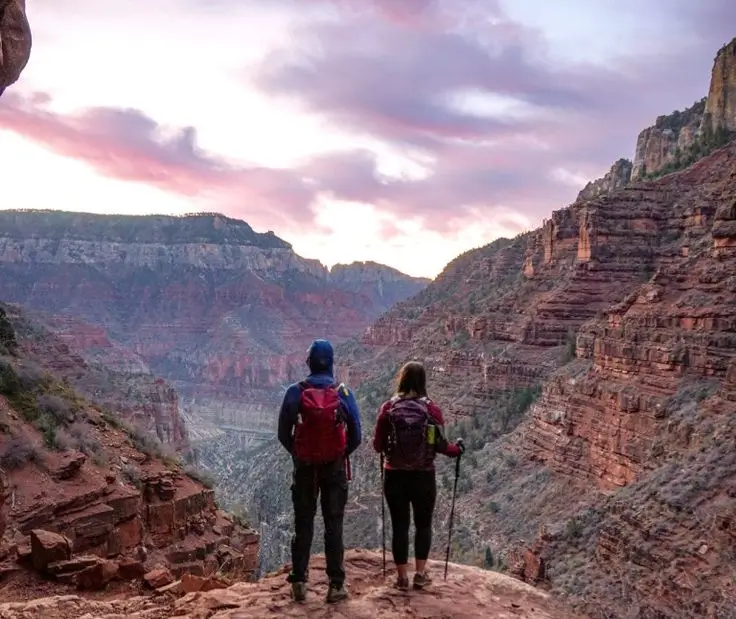
The best time depends on what you want to experience.
Spring
Spring can bring cool temperatures and changing trail conditions. Snow may remain at higher elevations, so check current conditions before hiking.
Summer
Summer is one of the most popular periods to visit Bryce Canyon. The park’s high elevation keeps temperatures cooler than many lower-elevation Utah destinations, but popular viewpoints can become busy.
Fall
Fall offers cooler temperatures and changing colors in the surrounding forests. It can be a great season for hiking and photography.
Winter
Winter transforms Bryce Point and the surrounding amphitheater with snow. The contrast between white snow and red-orange hoodoos creates a very different landscape.
Winter visitors should check road and trail conditions because snowstorms can cause temporary closures.
Bryce Point Parking
Bryce Point has its own parking area. The National Park Service lists approximately 49 parking spaces, including spaces for oversized vehicles. The parking area is open 24 hours, although conditions and access can change during severe weather.
During busy periods, parking around the Bryce Amphitheater can become limited. The park recommends using the free shuttle in the amphitheater area when it is operating.
Bryce Canyon Shuttle
The Bryce Canyon shuttle serves the popular amphitheater area during its seasonal operating period.
The 2026 shuttle season is scheduled from April 3 through October 18.
Using the shuttle can make it easier to visit multiple viewpoints without moving your vehicle between parking areas.
Is Bryce Point Open Year-Round?
Bryce Canyon National Park is open 24 hours a day throughout the year, and no advance reservation is required simply to enter the park. However, winter weather can cause temporary road closures until snow removal is completed and conditions are safe.
Always check current park conditions before traveling, especially during winter.
Tips for Visiting Bryce Point
- Arrive early if you want to see sunrise.
- Bring layers because temperatures can change quickly.
- Wear proper shoes if you plan to hike.
- Carry water for longer trails.
- Check current trail and road conditions.
- Use the park shuttle when operating during busy periods.
- Stay on designated trails.
- Do not climb on or damage the hoodoos.
- Keep a safe distance from cliff edges.
- Allow extra time if you’re visiting multiple viewpoints.
The park’s fragile landscape requires visitors to stay on established trails and avoid disturbing rocks, plants, and other natural features.
Nearby Places to Visit
After visiting Bryce Point, you can explore several nearby attractions within Bryce Canyon National Park.
Inspiration Point
Inspiration Point provides another elevated perspective of the Bryce Amphitheater and its hoodoos.
Sunset Point
Sunset Point is one of the park’s main viewpoints and an important access point for popular hikes.
Sunrise Point
Sunrise Point provides another excellent view of the amphitheater and connects with the Rim Trail.
Fairyland Point
Fairyland Point sits farther north and provides access to the Fairyland area and longer hiking routes.
Final Thoughts
Bryce Point is one of the key stops for anyone visiting Bryce Canyon National Park. Its elevated view across the Bryce Amphitheater makes it an excellent place for sightseeing, photography, sunrise views, and access to longer hiking trails.
If you only have a short time in Bryce Canyon, visiting the main amphitheater viewpoints—including Bryce Point, Inspiration Point, Sunset Point, and Sunrise Point—can give you a strong introduction to the park’s famous hoodoo landscape.