
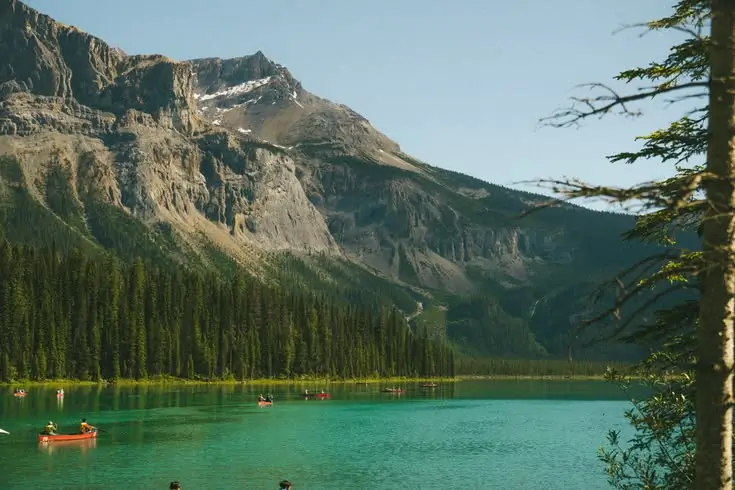
Colorado is one of the best-known hiking destinations in the United States, with mountain peaks, alpine lakes, waterfalls, forests, red-rock formations, and scenic trails across the state. From an easy morning walk to a challenging mountain adventure, there are hiking options for different experience levels.
If you’re planning a Colorado trip and want to spend time outdoors, this guide covers some of the best places to hike in Colorado, including Rocky Mountain National Park, Garden of the Gods, Maroon Bells, Boulder, and other popular hiking areas.
Best Places to Hike in Colorado
1. Rocky Mountain National Park
Rocky Mountain National Park is one of the most popular places to hike in Colorado. The park has more than 350 miles of hiking trails ranging from short nature walks to difficult mountain routes.
Some popular hikes include:
- Bear Lake Nature Trail
- Emerald Lake
- Dream Lake
- Mills Lake
- Cub Lake
- Chasm Lake
- Deer Mountain
For an easier experience, Bear Lake is a good starting point. The loop around the lake is only 0.7 miles. More experienced hikers can choose longer routes such as Chasm Lake or trails toward the high country.
Best for: Alpine lakes, mountain views, wildlife, families, and experienced hikers.
2. Garden of the Gods
Garden of the Gods in Colorado Springs offers a completely different hiking experience. Instead of alpine lakes and dense mountain forests, visitors walk among huge red-rock formations with views toward Pikes Peak.
The park has more than 20 miles of trails, including easy and moderate options. The Perkins Central Garden Trail is an easy route around some of the park’s most famous formations.
The area is particularly convenient for travelers who want scenic hiking without committing to a long mountain hike.
Best for: Families, beginners, photography, red rocks, and short hikes.
Read More: visit to colorado
3. Maroon Bells
Maroon Bells near Aspen is one of Colorado’s most recognizable mountain landscapes. The area features dramatic peaks, alpine scenery, and trails around Maroon Lake and into the surrounding wilderness.
The Maroon Bells area is popular for photography because of the reflection of the mountains in the lake. Visitors should check current access, transportation, and trail conditions before visiting because seasonal restrictions can apply.
Best for: Scenic views, photography, alpine landscapes, and moderate hiking.
4. Boulder Hiking Trails
Boulder is another excellent destination for hiking in Colorado. The city is surrounded by foothills and open-space areas with trails ranging from easy walks to challenging climbs.
Popular areas include Chautauqua and the Flatirons. Hikers can enjoy views over Boulder and the surrounding Front Range.
Boulder is also convenient for travelers who want to combine hiking with restaurants, coffee shops, and downtown activities.
Best for: Day hikes, mountain views, beginners, and travelers staying near Denver.
5. Hanging Lake
Hanging Lake near Glenwood Springs is famous for its turquoise water, waterfalls, and dramatic mountain surroundings.
The hike is short compared with many Colorado mountain routes, but it is steep and access is managed to protect the area. Visitors should check current reservation and access requirements before planning a trip.
Best for: Waterfalls, unique scenery, and a memorable Colorado hike.
6. Great Sand Dunes National Park
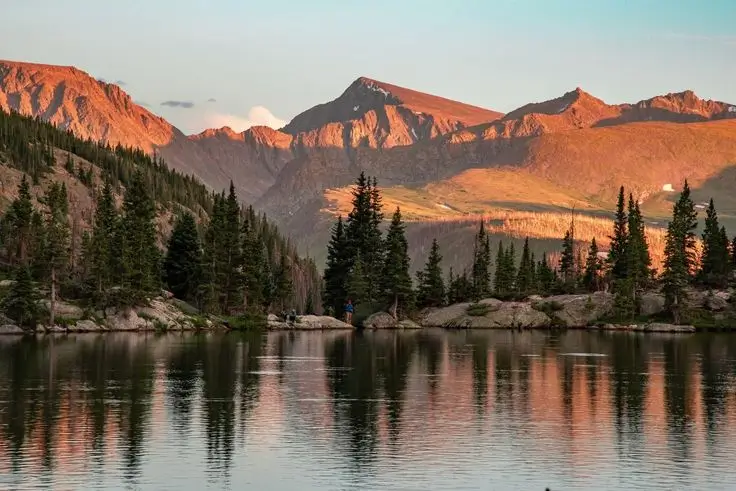
Great Sand Dunes National Park offers one of the most unusual hiking experiences in Colorado.
Instead of hiking through a traditional mountain forest, visitors can climb massive sand dunes surrounded by mountains. There is no single fixed trail to the top, so hikers can choose their own route across the sand.
The experience can be physically demanding, especially on hot days.
Best for: Adventure, unique landscapes, photography, and families looking for something different.
7. Mount Bierstadt
Mount Bierstadt is one of Colorado’s popular 14er hikes. A “14er” is a mountain with a summit above 14,000 feet.
The hike offers spectacular mountain scenery but should not be treated like a normal easy trail. High altitude, changing weather, steep sections, and elevation gain make preparation important.
Best for: Experienced hikers and travelers looking for a high-altitude challenge.
8. Manitou Incline
The Manitou Incline near Colorado Springs is famous for its steep climb and large elevation gain over a relatively short distance.
It follows the route of an old railway incline and has become one of the area’s best-known fitness challenges. Visit Colorado Springs notes nearly 2,000 feet of vertical gain in under a mile.
This is not a casual walk. Hikers should prepare for the steep climb and check current access information before visiting.
Best for: Fitness challenges, experienced hikers, and adventure travelers.
9. Colorado Trail
For serious hikers and backpackers, the Colorado Trail is one of the state’s major long-distance hiking routes.
The trail stretches for nearly 500 miles between Denver and Durango and crosses different landscapes in the Rocky Mountains. Completing the entire route requires considerably more time and preparation than a normal day hike.
Most visitors do not need to hike the entire trail. Shorter sections can provide a way to experience the route without committing to a multi-week adventure.
Best for: Backpackers, long-distance hikers, and experienced outdoor travelers.
10. Telluride Hiking Trails
Telluride combines mountain scenery with a historic mountain-town atmosphere. Hiking trails around the area provide views of peaks, valleys, waterfalls, and alpine landscapes.
It is a good destination if you want your hiking trip to include restaurants, lodging, and a walkable mountain town.
Best for: Mountain scenery, waterfalls, photography, and weekend trips.
Best Hiking in Colorado for Beginners
If you’re looking for best hiking in Colorado but don’t have much hiking experience, start with easier trails.
Good options include:
- Bear Lake Nature Trail
- Perkins Central Garden Trail
- Easy Boulder foothill trails
- Short trails around Colorado Springs
- Scenic walks in Colorado’s state and national parks
Garden of the Gods is especially accessible because it has paved and dirt trails ranging from beginner to more advanced options.
Remember that elevation can make even an easy Colorado hike feel harder than a similar trail at lower altitude.
Best Hiking in Colorado for Experienced Hikers
Experienced hikers have many challenging options across the state.
Popular choices include:
- Mount Bierstadt
- Chasm Lake
- Longs Peak-area trails
- Manitou Incline
- High-elevation trails in Rocky Mountain National Park
- Sections of the Colorado Trail
Rocky Mountain National Park alone has trails ranging from short easy walks to demanding summit routes.
Before attempting a difficult hike, check weather, trail conditions, elevation gain, distance, and your turnaround plan.
Hiking Destinations in Colorado
Colorado has hiking destinations spread across the state, so your ideal location depends on where you’re staying.
Northern Colorado
Rocky Mountain National Park is a major choice for alpine lakes, mountain scenery, wildlife, and high-country hiking.
Central Colorado
Areas around Boulder, Breckenridge, Aspen, and the central Rockies offer a mixture of mountain trails, forests, lakes, and scenic viewpoints.
Southern Colorado
Colorado Springs provides access to Garden of the Gods, the Manitou Incline, Pikes Peak-area trails, and other outdoor destinations. Colorado Springs has more than 350 miles of trails in the region.
Southwestern Colorado
Telluride and Durango offer dramatic mountain landscapes and hiking opportunities away from some of the state’s larger urban areas.
Best Colorado Hikes for Families
Families should look for trails that match the ages and abilities of everyone in the group.
Shorter trails around Garden of the Gods can be a practical choice because several routes are easy and relatively accessible.
In Rocky Mountain National Park, Bear Lake Nature Trail is a short 0.7-mile loop, while other trails provide longer and more challenging options.
For families, consider:
- Trail length
- Elevation gain
- Weather
- Restroom availability
- Water
- Parking or shuttle requirements
- Children’s hiking ability
When Is the Best Time to Hike in Colorado?
The best hiking conditions depend heavily on elevation and location.
Summer is popular for many mountain trails because higher elevations become more accessible.
Fall can be excellent for aspens and cooler temperatures, while spring can still bring snow and muddy conditions at higher elevations.
Winter hiking requires additional preparation because snow, ice, shorter daylight hours, and cold temperatures can change trail conditions significantly.
Always check the latest trail and weather conditions before leaving.
Colorado Hiking Safety Tips
Colorado’s mountain environment requires more preparation than many low-elevation hiking destinations.
Before starting your hike:
- Check the weather forecast.
- Check current trail conditions.
- Carry enough water.
- Bring food and extra layers.
- Use sunscreen and sun protection.
- Download an offline trail map.
- Tell someone about your hiking plans.
- Start early for longer hikes.
- Be prepared for sudden weather changes.
- Know your turnaround point.
Afternoon thunderstorms can be a concern during summer, particularly on exposed mountain routes. Visit Colorado Springs recommends getting off exposed ridges and summits by noon when possible.
Colorado’s official tourism guidance also recommends carrying adequate water, sunscreen, extra clothing or layers, and a map.
Check Trail Conditions Before Your Hike
Trail conditions can change quickly in Colorado because of weather, snow, seasonal closures, and elevation.
For statewide trail information, hikers can use Colorado Trail Explorer (COTREX), a Colorado Parks and Wildlife and Colorado DNR project that provides information about trails, trailheads, and points of interest.
For Rocky Mountain National Park, check the National Park Service’s current trail conditions and park alerts before your trip. The park specifically notes that conditions can vary with weather and elevation.
Final Thoughts
Colorado offers hiking experiences for almost every type of outdoor traveler. You can take an easy walk through the red rocks of Garden of the Gods, explore alpine lakes in Rocky Mountain National Park, climb a challenging 14er, or spend several days exploring a long-distance trail.
For a first Colorado hiking trip, choose your destination based on your experience level, available time, elevation, weather, and trail conditions. With thousands of miles of trails across the state, there are plenty of hiking destinations in Colorado to explore. Colorado’s tourism office reports more than 39,000 miles of hiking trails statewide.