
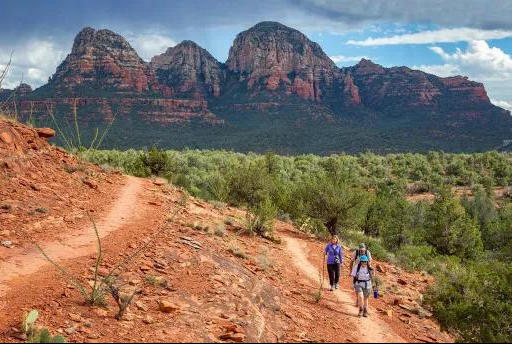
Looking for the best hiking trails near me? Whether you want a short beginner-friendly walk, a scenic mountain hike, or a challenging trail with amazing views, the United States has thousands of hiking options to explore.
The right trail depends on your location, fitness level, available time, weather, and the type of scenery you want to experience. From the red rocks of Arizona and Utah to the mountains of Colorado and the forests of Washington, there is a trail for almost every type of hiker.
The National Park Service alone manages more than 21,000 combined miles of trails across the United States.
This guide explains how to find great hiking trails near you and how to choose a trail that matches your experience and plans.
How to Find the Best Hiking Trails Near You
Finding a good trail is easier when you know what information to check before leaving home.
Use Local Trail Maps and Hiking Apps
Hiking apps can help you discover trails based on your location, distance, difficulty, elevation, and reviews.
Apps such as AllTrails allow hikers to search by city, park, or trail name and provide information about routes and trail conditions.
You can also use official park websites to find reliable information about trail closures, permits, parking, weather, and current conditions.
For national parks, the National Park Service recommends checking the individual park website or NPS App for hiking information.
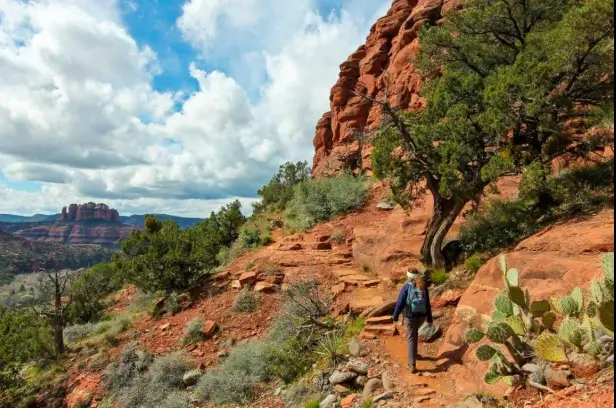
Check Trail Difficulty and Distance
Before choosing a hike, look at:
- Trail distance
- Elevation gain
- Estimated hiking time
- Difficulty rating
- Terrain
- Current conditions
A short trail is not always easy. A trail with steep elevation gain can be much more challenging than a longer trail with a gradual climb.
Check Weather and Trail Conditions
Weather can change quickly, especially in mountains and desert areas.
Check the forecast before starting your hike and look for current trail information. Snow, ice, mud, extreme heat, or heavy rain can make an otherwise easy trail much more difficult.
Best Hiking Trails Near Me for Every Type of Hiker
There is no single trail that is perfect for everyone. Your ideal hike depends on your experience and what you want to see.
Easy Hiking Trails Near Me
Easy trails are a good choice for beginners, families, casual hikers, and people who want a short outdoor adventure.
Look for trails with:
- Short distances
- Limited elevation gain
- Well-maintained surfaces
- Clear navigation
- Easy access
If you’re new to hiking, start with a shorter route and increase the distance as your experience grows.
Moderate Hiking Trails Near Me
Moderate trails are suitable for hikers who have some experience and want more of a challenge.
These trails may include:
- Longer distances
- Steeper sections
- Uneven terrain
- Moderate elevation gain
- Rocky or narrow sections
A moderate hike can provide a good balance between exercise and scenery.
Difficult Hiking Trails Near Me
Difficult hikes are better suited to experienced hikers who are comfortable with steep climbs, uneven terrain, longer distances, or challenging conditions.
Before choosing a difficult trail, consider your fitness level, weather, water supply, daylight hours, and experience with the terrain.
Never choose a difficult trail simply because it looks impressive online.
Family-Friendly Hiking Trails Near Me
Families should look for trails that are relatively short, easy to follow, and appropriate for the ages and abilities of everyone in the group.
A trail with interesting scenery, waterfalls, wildlife viewing opportunities, or educational signs can make the experience more enjoyable for children.
Always check park rules regarding children, pets, bikes, and other activities before visiting.
Scenic Hiking Trails Near Me
If your main goal is photography and beautiful views, look for trails near mountains, waterfalls, lakes, canyons, forests, deserts, or coastlines.
Scenic trails can be found throughout the country, including the Southwest’s red-rock landscapes and the mountainous regions of the West.
Best Hiking Trails in the USA
Some areas of the United States are especially well known for hiking. Here are several regions worth exploring when searching for your next trail.
Best Hiking Trails in Arizona
Arizona is famous for desert landscapes, red-rock formations, canyons, and dramatic viewpoints.
Popular hiking destinations include Sedona, Grand Canyon National Park, and areas around Flagstaff and Phoenix.
Sedona is particularly popular for its red-rock scenery and trails. If you’re planning a Sedona trip, explore our detailed guide to things to do in Sedona for more ideas beyond hiking.
Arizona also has a wide variety of protected public lands and national park units, giving hikers many different landscapes to explore.
Best Hiking Trails in California
California offers an enormous variety of hiking environments.
You can find coastal trails, giant forests, mountain routes, desert landscapes, and national park hikes.
Yosemite National Park is one of the country’s best-known hiking destinations, while areas around Big Sur, Joshua Tree, Sequoia, and the Sierra Nevada offer very different experiences.
California is also part of the Pacific Crest National Scenic Trail, which extends through California, Oregon, and Washington.
Best Hiking Trails in Colorado
Colorado is an excellent destination for hikers who enjoy mountains, alpine scenery, lakes, and high-elevation trails.
Popular hiking areas include Rocky Mountain National Park, Boulder, Colorado Springs, and the San Juan Mountains.
High-altitude hiking requires extra preparation. A trail that looks short on a map can feel much harder at elevation.
Best Hiking Trails in Utah
Utah is known for dramatic red-rock scenery and some of the most recognizable landscapes in the American Southwest.
Great hiking destinations include:
- Zion National Park
- Bryce Canyon National Park
- Arches National Park
- Canyonlands National Park
- Capitol Reef National Park
Bryce Canyon, for example, offers trails through its famous hoodoo formations. The National Park Service highlights the Queen’s Garden and Navajo Loop as popular hikes in the Bryce Amphitheater.
Best Hiking Trails in Washington
Washington offers a completely different hiking experience, with mountains, evergreen forests, waterfalls, alpine lakes, and volcanic landscapes.
Popular hiking areas include Mount Rainier National Park, Olympic National Park, North Cascades National Park, and the Cascades.
Before hiking in higher elevations, check snow and weather conditions because trail accessibility can change throughout the year.
Best Hiking Trails in Oregon
Oregon has coastal hikes, waterfalls, forests, volcanic landscapes, and mountain trails.
Popular hiking destinations include Columbia River Gorge, Mount Hood, the Oregon Coast, and Crater Lake National Park.
Crater Lake National Park offers a unique landscape formed by the collapse of an ancient volcano, along with hiking opportunities around the lake and surrounding mountains.
How to Choose the Right Hiking Trail
Choosing the right trail is more important than simply choosing the trail with the highest rating.
Trail Distance and Hiking Time
Think about how much time you actually have.
A short hike may be ideal if you’re exploring a new city or visiting a park for only a few hours. Longer trails require more preparation and daylight.
Always allow extra time for breaks, photos, navigation, and unexpected delays.
Elevation Gain
Elevation gain tells you how much climbing is involved.
Two trails can have the same distance but feel completely different because one has much more elevation gain.
If you’re a beginner, a trail with gradual elevation gain may be more comfortable than a steep route.
Trail Difficulty
Difficulty ratings are useful, but don’t rely on the label alone.
Read the trail description and look at:
- Elevation
- Terrain
- Distance
- Exposure
- Weather
- Recent trail conditions
Your personal experience also matters.
Views and Natural Attractions
Think about what you want to see.
You may prefer:
- Mountain views
- Waterfalls
- Lakes
- Forests
- Desert scenery
- Canyons
- Wildlife
- Wildflowers
- Sunrise or sunset views
Choosing a trail based on the experience you want can make your hike much more enjoyable.
Seasonal Conditions
A trail can change significantly throughout the year.
Summer may bring heat to desert trails, while winter can bring snow and ice to mountain routes. Spring can create muddy conditions, while fall may offer cooler temperatures and colorful foliage.
Always check current conditions before starting.
What to Bring on a Hiking Trail
Even a short hike deserves basic preparation.
Water and Snacks
Carry enough water for the length and conditions of your hike.
Hot and dry environments can increase your water needs significantly. Bring snacks that provide quick energy, especially for longer hikes.
Proper Hiking Shoes
Wear shoes that match the terrain.
For easy paved or smooth trails, comfortable walking shoes may be enough. Rocky, muddy, or steep trails may require hiking shoes or boots with better traction.
Navigation and Phone
Keep a phone with you, but don’t assume you will always have cell service.
For areas with limited reception, download maps before leaving. The NPS App provides park information and can be downloaded for offline use in many situations.
Weather Protection
Depending on the destination and season, bring:
- Sunscreen
- Hat
- Sunglasses
- Rain jacket
- Extra layers
- Warm clothing
- Gloves
Mountain weather can change quickly, so preparation is important.
Basic Safety Gear
For longer or remote hikes, consider carrying a small first-aid kit, flashlight or headlamp, emergency supplies, and extra food and water.
Hiking Safety Tips
A beautiful trail can still present real risks. Good preparation helps reduce them.
Check the Weather Before You Go
Check the forecast for the actual hiking location rather than only checking the weather in the nearest city.
Pay attention to temperature, storms, wind, snow, heat warnings, and other hazards.
Stay on Marked Trails
Stay on established trails whenever possible.
Leaving the trail can increase the risk of getting lost or encountering unstable terrain, wildlife, or protected environments.
Tell Someone Your Hiking Plans
For longer or remote hikes, tell someone where you’re going and when you expect to return.
If something goes wrong, another person will know where you planned to hike.
Know When to Turn Back
Turning around is not failure.
If the weather becomes dangerous, daylight is running out, you’re running low on water, or the trail is beyond your ability, turn back.
Reaching the end of a trail is never more important than getting home safely.
Best Time to Go Hiking
The best hiking season depends heavily on your location.
Spring Hiking
Spring can offer comfortable temperatures, blooming wildflowers, and flowing waterfalls.
However, snow may still cover higher-elevation trails, while lower trails can be muddy.
Summer Hiking
Summer is popular for mountain and northern trails, but desert areas can become extremely hot.
Start early when temperatures are high and check local conditions before heading out.
Fall Hiking
Fall can be one of the most enjoyable seasons for hiking.
Cooler temperatures and changing leaves make many forest and mountain trails especially attractive.
Winter Hiking
Winter hiking can be beautiful but requires additional preparation.
Snow, ice, shorter daylight hours, and freezing temperatures can make trails significantly more difficult.
Use appropriate equipment and choose routes suitable for winter conditions.
Frequently Asked Questions About Hiking Trails Near Me
How do I find the best hiking trails near me?
Use a hiking app, map service, or official park website to search for trails around your location. Check distance, difficulty, elevation, reviews, weather, and current trail conditions before choosing one.
What is the easiest hiking trail near me?
The easiest trail depends on your location. Look for short trails with low elevation gain, clear paths, and easy access.
What should I bring on a hike?
At minimum, bring water, appropriate footwear, a phone or navigation device, weather protection, and food for longer hikes. Remote or challenging hikes may require additional safety equipment.
How do I know if a hiking trail is difficult?
Check the trail’s distance, elevation gain, terrain, estimated time, and current conditions. A short trail with steep elevation gain can be more challenging than a longer, flatter trail.
What is the best time of year to go hiking?
It depends on the destination. Spring and fall often provide comfortable temperatures in many regions, while summer can be ideal for higher-elevation trails. Winter can be suitable for experienced hikers with the right equipment and conditions.
Explore More Hiking Trails Across the USA
The United States has hiking opportunities ranging from short local walks to long-distance national scenic trails.
The National Trails System includes major routes such as the Appalachian Trail, Arizona National Scenic Trail, Continental Divide National Scenic Trail, Florida National Scenic Trail, and Pacific Crest National Scenic Trail.
Start by finding trails close to your location, then gradually explore new parks, landscapes, and destinations.
Whether you’re searching for an easy family walk, a scenic desert hike, or a challenging mountain adventure, the best trail is one that matches your experience, time, and current conditions.